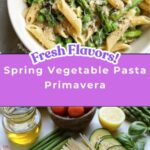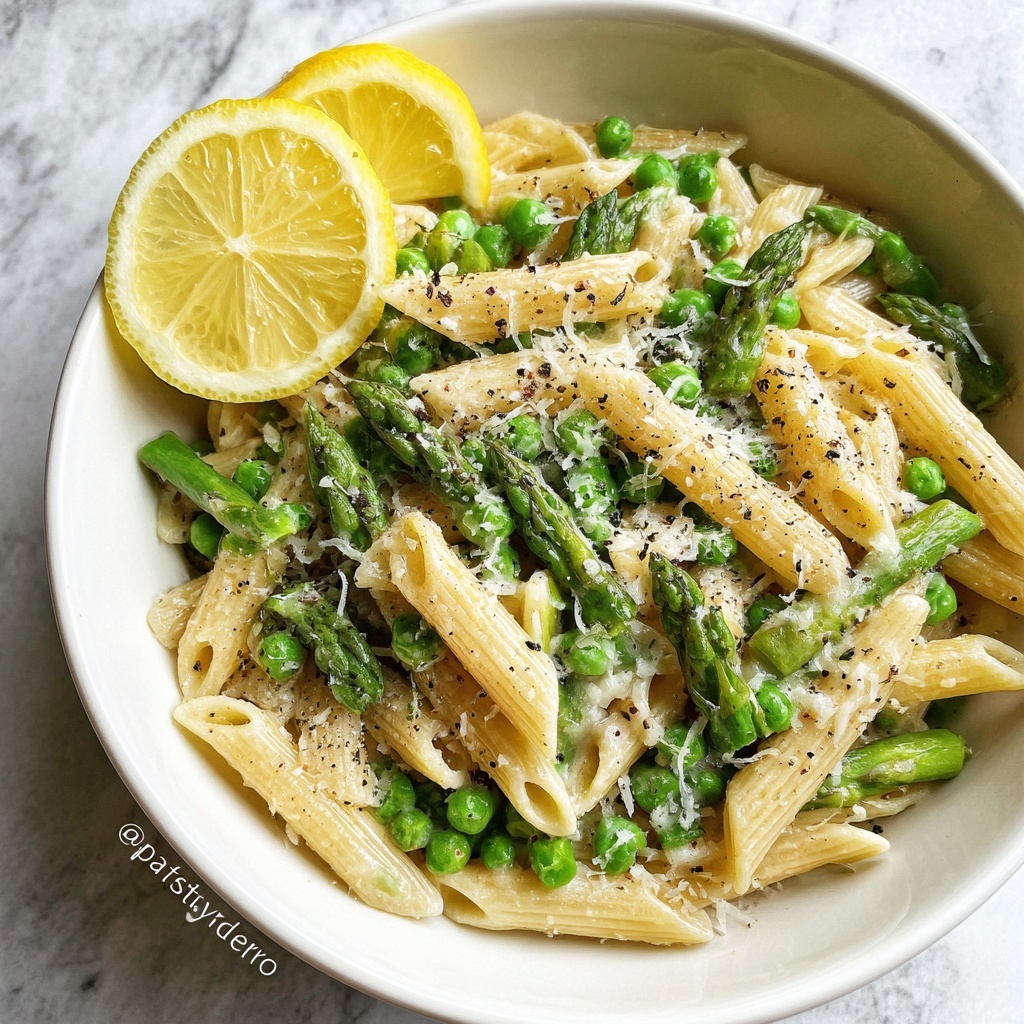
If you are looking for a vibrant and wholesome dish that captures the essence of spring in every bite, this Spring Vegetable Pasta Primavera Recipe is exactly what you need. Bursting with fresh, colorful vegetables like asparagus, zucchini, and cherry tomatoes, this pasta dish is a celebration of seasonal produce paired with perfectly cooked pasta and a zesty lemon-Parmesan finish. It’s light yet satisfying, wonderfully simple to make, and adds a burst of sunshine to any mealtime. Whether it’s a quick lunch or an impressive dinner, this recipe will soon become one of your favorites!
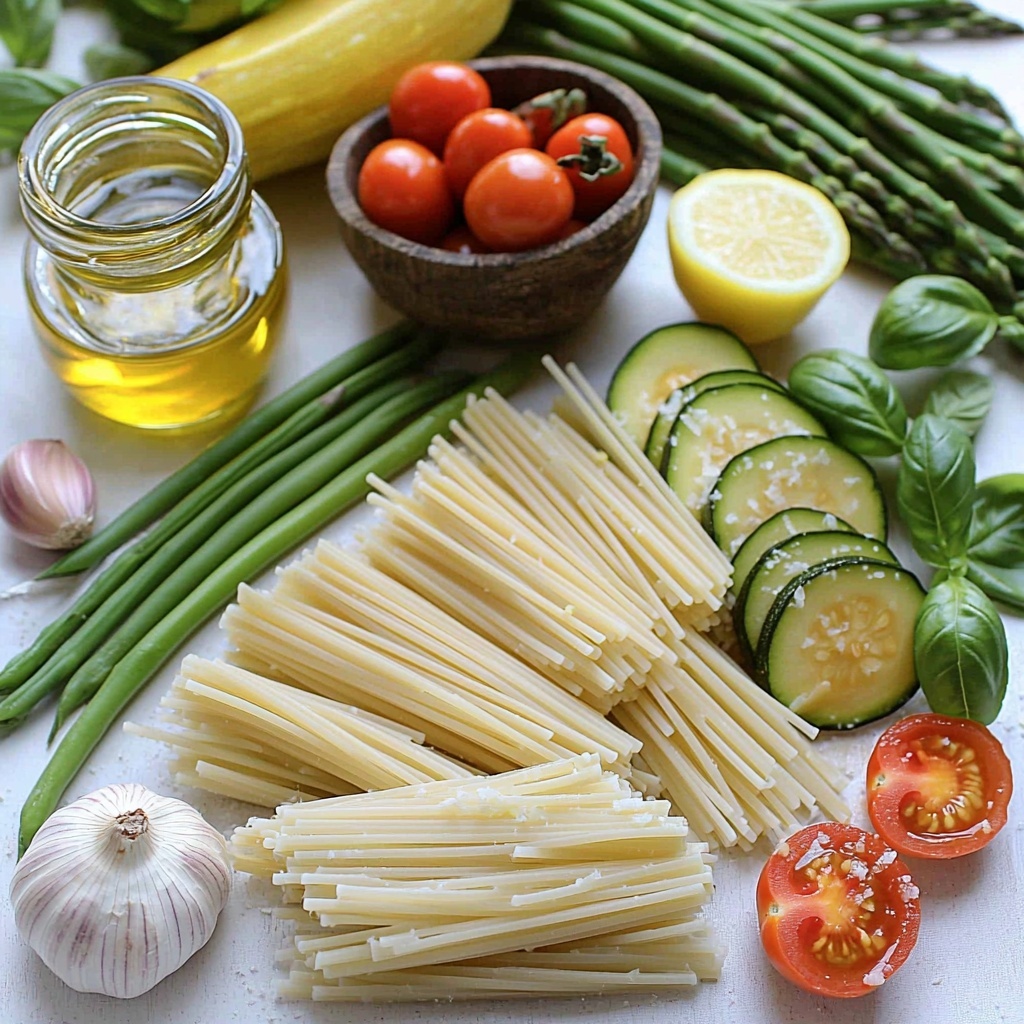
Ingredients You’ll Need
Every ingredient in this Spring Vegetable Pasta Primavera Recipe is thoughtfully chosen to contribute texture, color, and bright, fresh flavors. These essentials come together to create a dish that is both nutritious and absolutely delicious.
- 12 ounces pasta (penne, fettuccine, or spaghetti): Choose your favorite shape to carry those vibrant vegetables and sauce perfectly.
- 1 tablespoon olive oil: Adds a smooth, fragrant base for sautéing your veggies.
- 2 cloves garlic, minced: Infuses the dish with aromatic punches that awaken the palate.
- 1 small zucchini, sliced: Offers a subtle sweetness and tender bite to the mix.
- 1 yellow squash, sliced: Brings bright color and mild flavor to complement the other vegetables.
- 1 cup asparagus, trimmed and cut into 2-inch pieces: Adds a fresh, slightly grassy crunch that screams spring.
- 1 cup sugar snap peas or green beans: Provides crisp texture and natural sweetness.
- 1 cup cherry tomatoes, halved: Burst of juicy, vibrant acidity to balance the richness.
- 1/2 cup grated Parmesan cheese: Delivers a salty, cheesy depth that pulls everything together.
- 1/4 cup fresh basil, chopped: Fresh herbal notes that brighten and elevate the entire dish.
- 1 tablespoon lemon juice: Injects a lively zing that lifts all the flavors and adds freshness.
- Salt and black pepper to taste: Essential for seasoning and enhancing every component.
How to Make Spring Vegetable Pasta Primavera Recipe
Step 1: Cook the Pasta
Start by cooking your pasta in generously salted boiling water following the package instructions until it’s al dente—this means tender but still with a bit of bite to hold the sauce and veggies beautifully. Once cooked, drain but be sure to save about half a cup of the pasta water; this starchy liquid will help create a silky sauce later on.
Step 2: Sauté the Garlic and Vegetables
Heat the olive oil in a large skillet over medium heat, then toss in the minced garlic. Let it cook just until fragrant—usually about 30 seconds—to release that tempting aroma without burning. Next, add the zucchini, yellow squash, asparagus, and sugar snap peas, stirring occasionally. Cook for around 4 to 5 minutes so the vegetables become tender but remain crisp, preserving their vibrant color and fresh taste.
Step 3: Add Cherry Tomatoes and Season
Add the halved cherry tomatoes to the skillet and cook for another 1 to 2 minutes. The tomatoes should soften just enough to release their juices while keeping their shape. Then season everything with salt, black pepper, and a bright splash of lemon juice to enhance the natural flavors and give the dish that signature springtime freshness.
Step 4: Combine Pasta with Vegetables
Transfer the cooked pasta into the skillet with the sautéed vegetables. Begin tossing everything together, adding reserved pasta water a little at a time to loosen and bind the mixture if it seems dry. Stir in the grated Parmesan cheese and chopped fresh basil so that the sauce thickens slightly and clings deliciously to every strand and scoop of pasta.
How to Serve Spring Vegetable Pasta Primavera Recipe
Garnishes
The finishing touches bring your dish to life. Sprinkle extra grated Parmesan cheese and scatter fresh basil leaves over the top for added aroma and visual appeal. A light drizzle of olive oil or a few cracks of fresh black pepper can also add that extra layer of flavor.
Side Dishes
This pasta primavera shines as a standalone dish, but if you want to elevate your meal, serve it alongside a crisp green salad dressed with a lemon vinaigrette or warm, crusty bread to soak up any leftover juices. A light white wine like Pinot Grigio or Sauvignon Blanc pairs beautifully here as well.
Creative Ways to Present
For a special occasion, serve your Spring Vegetable Pasta Primavera Recipe in individual shallow bowls with the vegetables artfully arranged on top for a restaurant-style presentation. Alternatively, toss it all in a large serving bowl to encourage family-style sharing and lively mealtime conversations.
Make Ahead and Storage
Storing Leftovers
If you have any leftovers, store them in an airtight container in the refrigerator for up to 3 days. The vegetables and pasta will retain their flavor and texture nicely if reheated gently.
Freezing
This dish is best enjoyed fresh since freezing can affect the texture of the vegetables. However, if you must freeze it, cool completely before transferring to a freezer-safe container and consume within 1 month for best quality.
Reheating
Reheat your leftovers gently in a skillet over medium-low heat, adding a splash of water or olive oil to revive the sauce without drying it out. Alternatively, warm in the microwave in short bursts, stirring in between to heat evenly.
FAQs
Can I use a different type of pasta for this recipe?
Absolutely! Penne, fettuccine, spaghetti, or even farfalle work wonderfully. Just choose your favorite shape to complement the vibrant spring vegetables.
What are some good vegetable substitutes for this pasta primavera?
Feel free to swap in baby spinach, peas, bell peppers, or even artichoke hearts depending on what’s fresh and in season. The key is to keep a balance of colors and textures.
Is this recipe suitable for vegans?
To make it vegan, simply omit the Parmesan cheese or use a plant-based alternative. The dish will still be bursting with flavor thanks to the fresh vegetables and herbs.
How long does this pasta primavera take to prepare?
From start to finish, this recipe takes about 30 minutes, making it perfect for a quick and healthy weeknight dinner.
Can I make this dish ahead of time?
Yes! You can prepare the vegetables and cook the pasta in advance and toss everything together right before serving. Just be mindful to reheat gently to maintain the fresh flavors and textures.
Final Thoughts
This Spring Vegetable Pasta Primavera Recipe is a joy to cook and even more delightful to eat. It celebrates fresh, seasonal produce in a simple yet sophisticated way that will brighten your table and satisfy your taste buds. I encourage you to give it a try and let the bright flavors of spring inspire your cooking — it’s sure to become a go-to favorite for sunny days and light, comforting meals.
Print
Spring Vegetable Pasta Primavera Recipe
- Prep Time: 15 minutes
- Cook Time: 15 minutes
- Total Time: 30 minutes
- Yield: 4 servings
- Category: Main Course
- Method: Stovetop
- Cuisine: Italian
- Diet: Vegetarian
Description
A vibrant and fresh Spring Vegetable Pasta Primavera featuring a medley of seasonal vegetables tossed with pasta, garlic, lemon, and Parmesan cheese. This Italian-inspired main course is light, healthy, and perfect for a quick lunch or dinner.
Ingredients
Pasta
- 12 ounces pasta (penne, fettuccine, or spaghetti)
Vegetables
- 1 tablespoon olive oil
- 2 cloves garlic, minced
- 1 small zucchini, sliced
- 1 yellow squash, sliced
- 1 cup asparagus, trimmed and cut into 2-inch pieces
- 1 cup sugar snap peas or green beans
- 1 cup cherry tomatoes, halved
Seasonings and Garnish
- 1/2 cup grated Parmesan cheese
- 1/4 cup fresh basil, chopped
- 1 tablespoon lemon juice
- Salt and black pepper to taste
Instructions
- Cook the pasta: Bring a large pot of salted water to a boil and cook the pasta according to package instructions until al dente. Drain, reserving 1/2 cup of the pasta cooking water, and set the pasta aside.
- Sauté the vegetables: In a large skillet, heat the olive oil over medium heat. Add the minced garlic and sauté for about 30 seconds until fragrant. Add the zucchini, yellow squash, asparagus, and sugar snap peas, cooking for 4 to 5 minutes while stirring occasionally, until the vegetables are tender-crisp.
- Add tomatoes and season: Stir in the halved cherry tomatoes and cook for another 1 to 2 minutes. Season the vegetable mixture with salt, black pepper, and lemon juice.
- Toss pasta and vegetables: Add the cooked pasta to the skillet with the vegetables. Toss everything together, adding reserved pasta water a little at a time to loosen the sauce as needed. Stir in the grated Parmesan cheese and fresh basil until well combined.
- Serve: Serve the primavera warm, garnished with extra Parmesan cheese and fresh basil if desired.
Notes
- Swap in other seasonal vegetables such as peas, baby spinach, or bell peppers for variety.
- For a creamier sauce, stir in 1/4 cup of cream or ricotta cheese.
- This dish is great for a light lunch or dinner and can be made ahead and gently reheated.