“`html
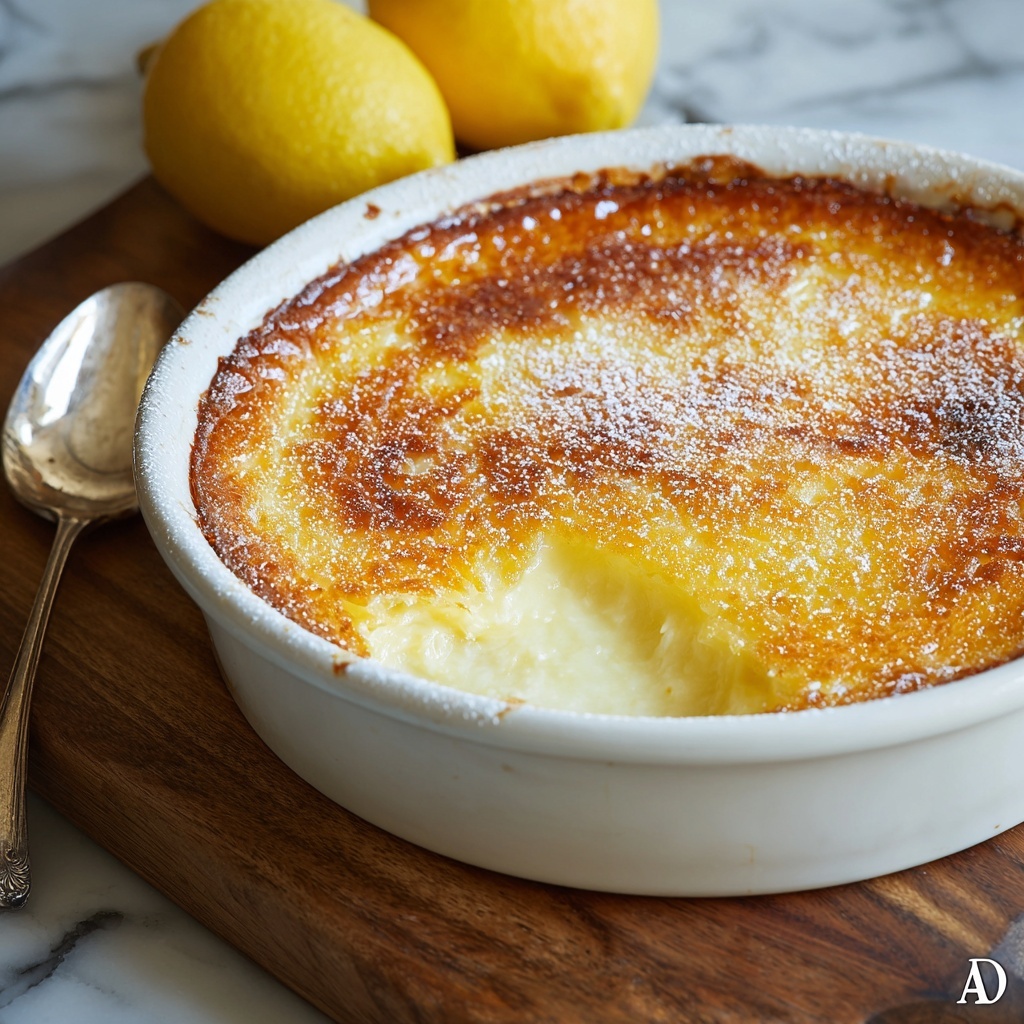
If you’re looking for a dessert that feels like a gentle hug on a plate, you have to try this delightful Baked Lemon Pudding Recipe. It’s light, airy, and bursting with fresh lemony brightness that dances on your tongue. The perfect balance of creamy pudding and fluffy meringue makes every spoonful a little moment of sunshine. Whether you’re coaxing a crowd or treating yourself, this pudding brings comfort with a zesty twist you’ll want to make again and again.
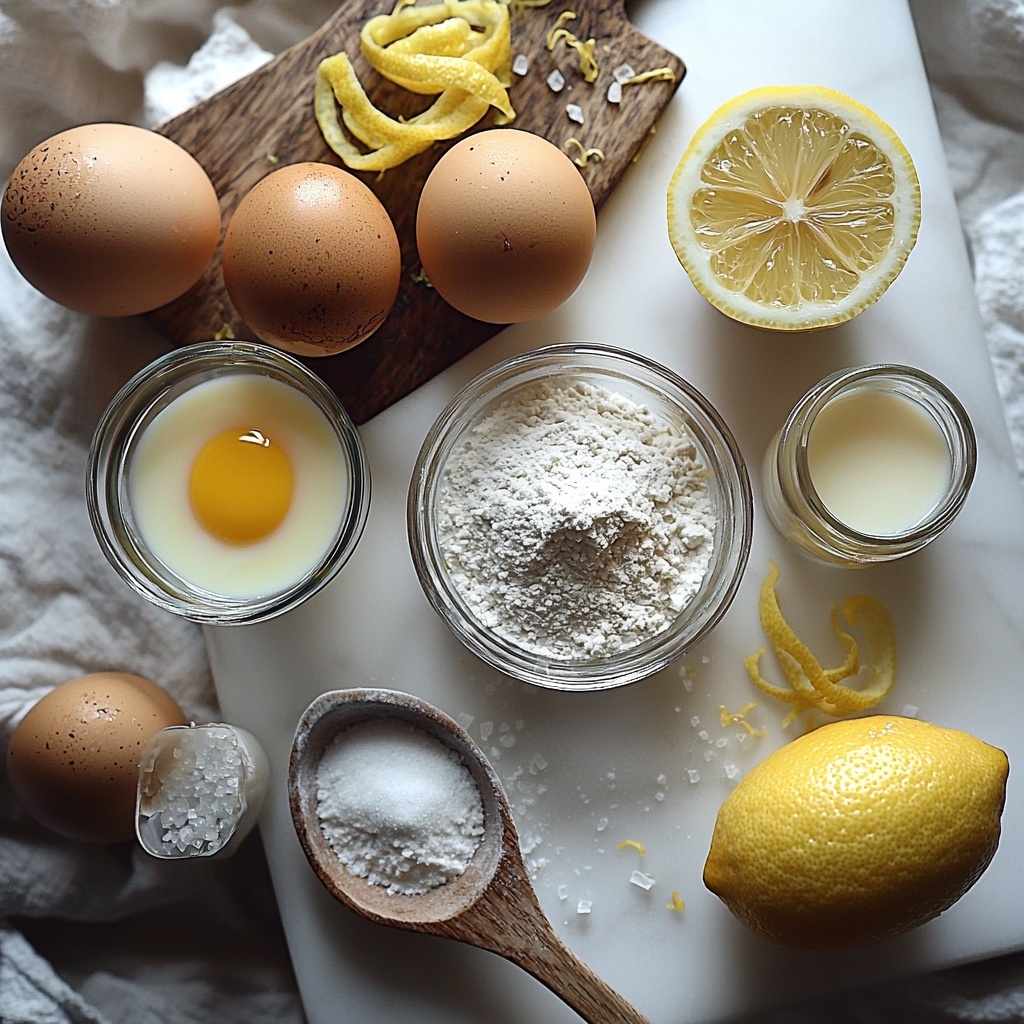
Ingredients You’ll Need
Don’t be fooled by the simplicity of this Baked Lemon Pudding Recipe; each ingredient plays a crucial role in creating its irresistible texture and vibrant flavor. From the tang of fresh lemon juice to the creamy richness of whole milk, these basics come together to make something truly special.
- 1 cup granulated sugar: The perfect amount to sweeten without overpowering the tart lemon flavor.
- 3 tablespoons all-purpose flour: Helps give the pudding body and that lovely smooth consistency.
- 1/4 teaspoon salt: Just a pinch to enhance all the other flavors in the dish.
- 1 1/2 cups whole milk: Adds creaminess and richness, making the pudding luxuriously smooth.
- 3 large eggs, separated: The yolks enrich the pudding base, while the whipped whites provide an airy, cloud-like texture.
- 1/4 cup fresh lemon juice: Brings bright, zesty freshness that defines this recipe.
- 1 tablespoon lemon zest: Intensifies the lemon aroma and adds subtle texture.
- 1 teaspoon vanilla extract: Gives a mellow depth that balances the tartness beautifully.
- Powdered sugar, for dusting (optional): Adds a pretty finishing touch and a hint of extra sweetness.
How to Make Baked Lemon Pudding Recipe
Step 1: Prepare Your Oven and Dish
Start by preheating your oven to 350°F (175°C). Grease a 1-quart baking dish or individual ramekins generously to prevent sticking and make serving easier. This simple step sets you up perfectly for success in baking your luscious pudding.
Step 2: Make the Base Mixture
In a medium saucepan, whisk together the sugar, flour, and salt. Slowly pour in the whole milk while stirring constantly to avoid lumps. This combination forms the creamy foundation of your pudding and ensures smoothness after baking.
Step 3: Cook to Thicken
Place the saucepan over medium heat and stir frequently. Watch closely as the mixture thickens and just begins to boil — this means it’s ready to become a pudding! Then remove it from the heat to avoid overcooking.
Step 4: Temper the Egg Yolks
In a separate bowl, lightly beat the egg yolks. To avoid scrambling the eggs, slowly whisk about half a cup of the hot milk mixture into the yolks. Then blend this tempered yolk mixture back into the saucepan with the rest of the pudding base. This step enriches the pudding’s texture without clumping.
Step 5: Add the Lemon and Vanilla
Stir in the fresh lemon juice, lemon zest, and vanilla extract until everything is fully incorporated. This is where the pudding starts to develop its signature bright, aromatic lemon flavor balanced by the subtle warmth of vanilla.
Step 6: Whip the Egg Whites
Using a clean bowl, beat the egg whites until they hold stiff peaks. This fluffy cloud of whipped whites is what makes your pudding light and airy rather than dense. Gently fold the egg whites into the lemon mixture, taking care not to deflate the volume you just created.
Step 7: Bake in a Water Bath
Pour the batter into your prepared baking dish or ramekins. Place this dish inside a larger pan and fill the outer pan with hot water halfway up the sides—this water bath ensures a gentle, even cooking environment that gives your pudding a delicate texture and prevents cracking.
Step 8: Bake Until Set
Bake for 35 to 40 minutes, or until the pudding is set with a light golden top. The bake time brings everything together into a beautifully puffed, slightly jiggly delight that signals it’s ready out of the oven.
Step 9: Cool and Finish
Once baked, remove the pudding from the oven and let it cool slightly. Dust with powdered sugar if you wish—it adds a pretty finish and a touch of extra sweetness that complements the tart lemon perfectly.
How to Serve Baked Lemon Pudding Recipe
Garnishes
Dusting with powdered sugar is a classic and simple garnish that gives a lovely contrast to the golden top. You might also try a few thin lemon slices or a sprig of fresh mint for a pretty, fresh finish that brightens the presentation.
Side Dishes
This Baked Lemon Pudding pairs wonderfully with a cup of hot tea or a simple berry compote on the side, which adds an extra pop of flavor and a hint of color. Light cookies or a dollop of whipped cream also make excellent companions for this citrusy treat.
Creative Ways to Present
Serve this pudding in individual ramekins for an elegant touch at a dinner party, or go rustic with a single large baking dish perfect for cozy family meals. For a fun twist, try layering with fresh berries or a drizzle of honey on top right before serving to add dimension and extra flavor sensations.
Make Ahead and Storage
Storing Leftovers
If you have any leftovers, store them in an airtight container in the refrigerator. This pudding keeps beautifully for 3 to 4 days, maintaining its delicate texture and fresh lemon flavor.
Freezing
Freezing baked lemon pudding is not recommended, as the texture tends to become watery and lose its lovely lightness when thawed. It’s best enjoyed fresh or within a few days from the fridge.
Reheating
When reheating, do so gently in the oven at low heat or briefly in the microwave. Avoid overheating as it might cause the pudding to dry out or toughen. A gentle warm-up preserves its creamy, airy charm perfectly.
FAQs
Can I use lemon extract instead of fresh lemon juice?
While lemon extract can add flavor, fresh lemon juice is essential for the authentic brightness and natural tartness that defines this Baked Lemon Pudding Recipe. Using fresh juice also provides the acidity needed to properly balance the sweetness and texture.
Is it possible to make this pudding dairy-free?
You can try replacing whole milk with a creamy plant-based milk, like oat or almond milk, though this may slightly change the texture and flavor. Whole milk contributes richness that helps the pudding’s creamy consistency, so results may vary.
Why do I need to use a water bath when baking?
A water bath creates gentle, even heat around the pudding, preventing it from cooking too quickly or cracking. It’s a classic technique especially important in delicate custards and puddings to keep the texture smooth and tender.
Can I prepare the pudding ahead of time before baking?
Yes! You can assemble the pudding mixture up to folding in the egg whites, then store it covered in the fridge for a few hours. Just fold in the egg whites right before baking for the best volume and texture.
What’s the best way to know when the pudding is done?
The pudding is ready when it is set but still has a slight jiggle in the center and the top has turned a pretty light golden color. It should not be liquidy but will gently wobble when you shake the pan.
Final Thoughts
This Baked Lemon Pudding Recipe is a beautiful marriage of creamy, tangy, and airy that’s sure to become a favorite in your dessert repertoire. It’s straightforward to make, impressive to serve, and incredibly satisfying to eat. Give it a try and bring a burst of lemon sunshine to your table—you won’t regret it!
“`
Print
Baked Lemon Pudding Recipe
- Prep Time: 15 minutes
- Cook Time: 40 minutes
- Total Time: 55 minutes
- Yield: 4 servings
- Category: Dessert
- Method: Baking
- Cuisine: American
- Diet: Vegetarian
Description
This Baked Lemon Pudding is a light and airy dessert featuring a tangy lemon flavor balanced with a sweet, creamy texture. Made by gently folding whipped egg whites into a lemon-infused custard base and baked in a water bath, it results in a delicate pudding with a golden top, perfect for a refreshing dessert or elegant treat.
Ingredients
Main Ingredients
- 1 cup granulated sugar
- 3 tablespoons all-purpose flour
- 1/4 teaspoon salt
- 1 1/2 cups whole milk
- 3 large eggs, separated
- 1/4 cup fresh lemon juice
- 1 tablespoon lemon zest
- 1 teaspoon vanilla extract
- Powdered sugar, for dusting (optional)
Instructions
- Preheat Oven: Preheat your oven to 350°F (175°C) and grease a 1-quart baking dish or several individual ramekins to prepare for baking the pudding.
- Prepare Custard Base: In a medium saucepan, whisk together the granulated sugar, all-purpose flour, and salt. Gradually add the whole milk while stirring constantly to blend the ingredients smoothly.
- Cook Mixture: Place the saucepan over medium heat and continue stirring frequently until the mixture thickens and just begins to boil, then remove it from the heat to prevent curdling.
- Temper Egg Yolks: In a separate bowl, lightly beat the egg yolks. Slowly whisk about 1/2 cup of the hot milk mixture into the egg yolks to temper them, ensuring they don’t scramble. Then, stir this yolk mixture back into the saucepan with the rest of the milk mixture.
- Add Flavorings: Stir in fresh lemon juice, lemon zest, and vanilla extract until the mixture is fully combined and flavorful.
- Beat Egg Whites: In a clean, dry bowl, beat the egg whites until stiff peaks form, creating a light meringue to add airiness to the pudding.
- Fold Egg Whites: Gently fold the beaten egg whites into the lemon custard mixture, being careful not to deflate the fluffy egg whites, to maintain a light texture.
- Prepare for Baking: Pour the combined mixture into your greased baking dish or ramekins. Place this dish inside a larger baking pan and fill the outer pan with hot water halfway up the sides of the pudding dish to create a water bath, which helps the pudding cook evenly and gently.
- Bake: Bake in the preheated oven for 35-40 minutes, or until the pudding is set and the top has a light golden color.
- Cool and Serve: Remove the pudding from the oven and allow it to cool slightly. Optionally, dust the top with powdered sugar before serving for an elegant finish.
Notes
- Make sure to temper the egg yolks carefully to avoid scrambling when adding the hot milk mixture.
- Folding the egg whites gently is critical for keeping the pudding light and airy.
- Using a water bath ensures even baking and prevents the pudding from cracking or curdling.
- Powdered sugar is optional but adds a nice touch of sweetness and presentation.
- Serve warm or at room temperature for best texture and flavor.