
“`html
If you’ve ever dreamed of biting into a loaf that captures the sheer buttery flakiness of a croissant, yet offers the comforting form of bread, then this Croissant Bread Loaf Recipe is going to be your new best friend. Imagine layers upon layers of tender, golden dough with that unmistakable croissant aroma, baked into a loaf you can slice, share, and savor with every bite. It’s a beautiful way to elevate your bread baking game and bring a bit of bakery magic right into your kitchen.
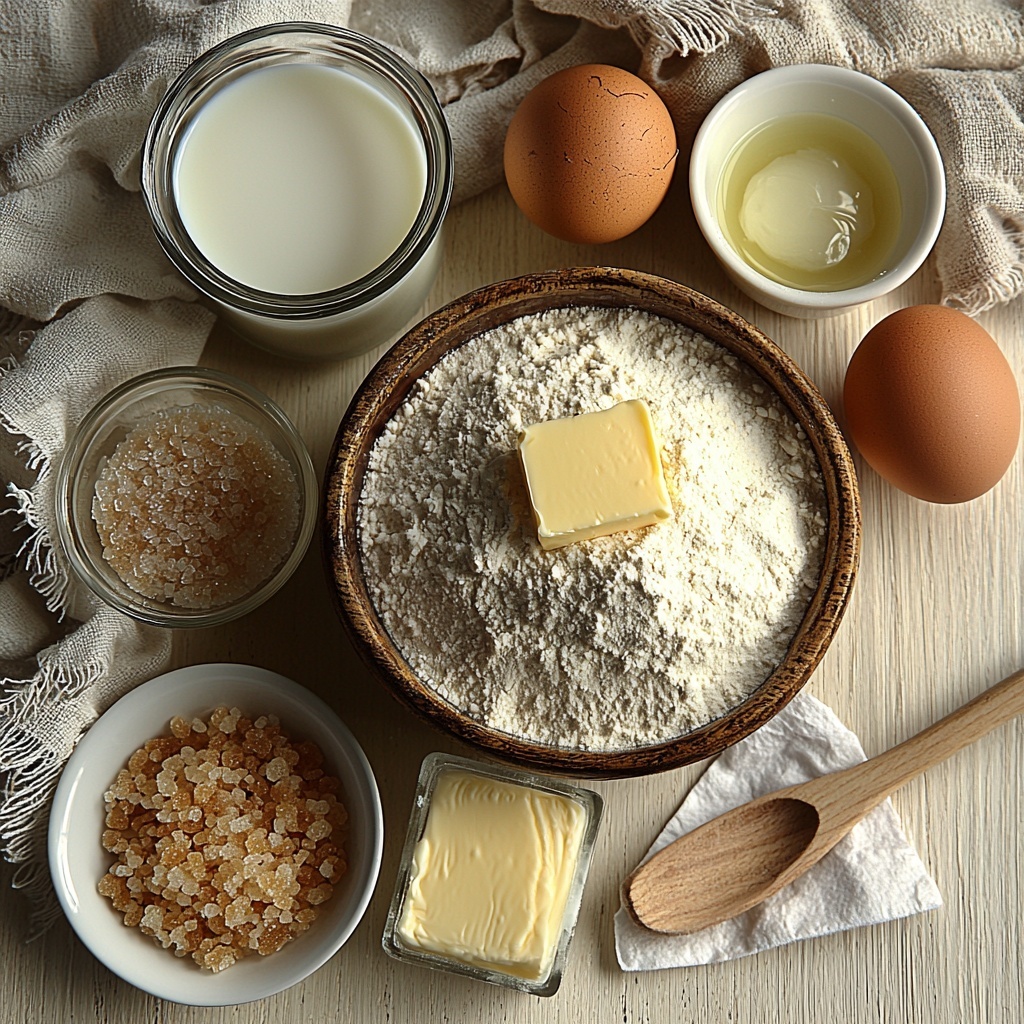
Ingredients You’ll Need
The beauty of this Croissant Bread Loaf Recipe lies in its simple yet incredibly purposeful ingredients. Each one plays its own vital role, whether it’s creating the dough’s structure, enriching the flavor, or giving the loaf that irresistible flaky texture and gorgeous golden color.
- 3 cups all-purpose or bread flour: The foundation of your dough, providing structure and chewiness.
- 1 cup unsalted butter (plus extra for lamination): Butter is the star here, responsible for those tender, flaky layers packed with rich flavor.
- 1 cup warm milk: Adds moisture and tenderness, helping activate the yeast.
- 2 tablespoons sugar: Feeds the yeast and brings a subtle sweetness.
- 1 1/2 teaspoons salt: Balances flavors and strengthens the dough.
- 2 1/4 teaspoons active dry yeast (1 packet): The powerhouse that makes your dough rise beautifully.
- 1 large egg (for egg wash): Creates a shiny, golden crust that’s hard to resist.
- 1/4 cup warm water (for activating yeast): The perfect temperature helps wake up the yeast for a lively rise.
How to Make Croissant Bread Loaf Recipe
Step 1: Activate the Yeast
Start by combining warm water, sugar, and the active dry yeast in a small bowl. Patience here pays off, so let it sit until it’s frothy and bubbly — about 5 to 10 minutes. This little frothing dance signals that your yeast is happily alive and ready to do its magic.
Step 2: Mix the Dough
In a large bowl, bring together the flour, warm milk, melted butter, salt, and your activated yeast mixture. At this stage, the dough will be shaggy and a bit rough-looking. That’s perfectly normal! Knead it for 8 to 10 minutes until it turns smooth and elastic; this kneading develops gluten which gives your loaf structure and chew.
Step 3: First Rise
Cover your dough with a clean towel or plastic wrap and let it rise until it’s puffed and has noticeably expanded, about 45 minutes. This is when the yeast really starts to pump air into your dough, lightening it up and building flavor.
Step 4: Laminate the Dough
This is the game changer for the Croissant Bread Loaf Recipe. Roll your dough into a rectangle, then grate frozen butter over one half. Fold the unbuttered half over the grated butter, roll it out again, and fold it into thirds like a letter. Pop it into the fridge for 30 minutes to chill. This process of lamination creates those signature flaky layers by folding butter into dough repeatedly.
Step 5: Repeat Lamination
Repeat the rolling, folding, and chilling 2 to 3 more times. Each turn adds distinct, delicious layers that will separate and puff up as it bakes, giving your bread an incredible croissant-like texture.
Step 6: Shape and Proof
After your final lamination, roll out the dough into a rectangle one more time and fold it into a loaf shape. Place it into a greased loaf pan and let it proof for 1 to 1.5 hours until it’s puffy and has nearly doubled in size. Your dough is now ready to transform into a glorious loaf!
Step 7: Prepare for Baking
Preheat your oven to 400°F (200°C). Brush the top of the loaf with a beaten egg wash to ensure a beautifully golden and shiny crust. This simple egg wash adds a touch of elegance to your loaf in the most effortless way.
Step 8: Bake the Loaf
Bake covered for 20 minutes to trap steam and encourage a tender crumb, then remove the cover and bake for another 20 to 25 minutes until the crust is deeply golden and the internal temperature reaches 200°F (95°C). This two-stage baking process ensures a perfect crust and fully baked interior.
Step 9: Cool and Slice
Let your Croissant Bread Loaf rest for 20 to 30 minutes after baking. Cooling helps set the layers and makes slicing easier, so resist the urge to dig in right away—it’s worth the wait!
How to Serve Croissant Bread Loaf Recipe
Garnishes
To highlight the flaky layers and buttery richness, dust your slices with a light sprinkle of powdered sugar or brush with some melted butter. A spread of fruit preserves or honey makes a sweet complement, while a coarse sea salt sprinkle can amp up a savory experience.
Side Dishes
This loaf pairs wonderfully with both sweet and savory sides. Think fresh berries or a simple fruit salad for breakfast vibes, or alongside a creamy soup or cheese board during lunch or dinner. The delicate but hearty texture makes it incredibly versatile on your plate.
Creative Ways to Present
Try slicing your loaf into thick slabs and stuffing with ham and cheese for an unforgettable sandwich. Or toast slices lightly and top with ripe avocado and a sprinkle of chili flakes for a trendy brunch twist. You can even transform it into a decadent bread pudding for dessert, showcasing the flaky layers in a new form.
Make Ahead and Storage
Storing Leftovers
If you’re lucky enough to have leftovers, store them in an airtight container or wrapped tightly in plastic wrap at room temperature. Your Croissant Bread Loaf will stay fresh and delicious for 3 to 4 days, making it perfect for enjoying throughout the week.
Freezing
To enjoy this loaf later, wrap it tightly in plastic wrap and then in aluminum foil before freezing. It keeps beautifully for up to 1 month. When ready to eat, thaw overnight in the fridge and then gently reheat to revive that fresh-from-the-oven feel.
Reheating
For the best texture, reheat slices in a toaster oven or a regular oven at 350°F (175°C) for 5 to 10 minutes. This restores the delicate crispiness of the crust while preserving the tender inside. Avoid microwaving, which can make it soggy.
FAQs
Can I use bread flour instead of all-purpose flour?
Yes! Bread flour works wonderfully in this Croissant Bread Loaf Recipe because it has a higher protein content, which helps create a chewier texture and better gluten development for those layered flakes.
Do I need to use unsalted butter or can I use salted butter?
Unsalted butter is recommended for control over the salt level in your dough. If you use salted butter, reduce or omit the added salt to avoid an overly salty loaf.
What if my dough isn’t rising properly?
Make sure your water is warm but not hot when activating yeast—around 100°F (38°C) is ideal. Also, give your dough a warm, draft-free place to rise, as cold temperatures can slow yeast activity.
How many times should I laminate the dough?
The recipe suggests repeating the lamination process 2 to 3 times. Each fold creates layers—too few and your loaf won’t be as flaky, too many and the dough becomes tough to handle.
Can I make this recipe vegan or dairy-free?
Substituting dairy can be tricky due to the central role of butter in lamination, but you can try vegan butter alternatives that are firm and behave similarly. Keep in mind this may alter both texture and flavor slightly.
Final Thoughts
Making this Croissant Bread Loaf Recipe is like giving yourself a gift of golden, flaky goodness that transforms any meal into something special. Whether you’re sharing with loved ones or indulging solo, the warmth and buttery layers will win your heart. Trust me—once you try this, you’ll wonder how you ever ate bread any other way. So roll up your sleeves, get that butter ready, and enjoy every delicious layer of your homemade masterpiece.
“`
Print
Croissant Bread Loaf Recipe
- Prep Time: 1 hour 30 minutes
- Cook Time: 45 minutes
- Total Time: 7 hours
- Yield: 1 loaf (approximately 8 slices)
- Category: Bread
- Method: Baking
- Cuisine: French
Description
This Croissant Bread Loaf combines the flaky, buttery layers of a classic croissant with the convenience of a loaf form, perfect for slicing and serving as a rich breakfast bread or elegant snack. The dough undergoes traditional lamination techniques with multiple folds and chilling periods, resulting in a tender, layered texture baked to a golden finish.
Ingredients
Dough
- 3 cups all-purpose or bread flour
- 1 cup unsalted butter (plus extra for lamination)
- 1 cup warm milk
- 2 tablespoons sugar
- 1 1/2 teaspoons salt
- 2 1/4 teaspoons active dry yeast (1 packet)
- 1/4 cup warm water (for activating yeast)
Egg Wash
- 1 large egg (beaten)
Instructions
- Activate yeast: Combine warm water, sugar, and active dry yeast in a small bowl. Let the mixture sit at room temperature until it becomes frothy and bubbly, about 5–10 minutes, indicating the yeast is active.
- Mix and knead dough: In a large bowl, combine the flour, warm milk, melted butter, salt, and the activated yeast mixture. Mix until a shaggy dough forms, then knead on a floured surface or with a stand mixer for 8–10 minutes until the dough becomes smooth and elastic.
- First rise: Cover the dough with a clean towel or plastic wrap and let it rise in a warm spot until it has puffed up noticeably, about 45 minutes.
- Initial lamination: Roll the dough into a large rectangle. Grate frozen butter over one half of the dough rectangle. Fold the other half over the butter, then roll the dough out again and fold into thirds, similar to making a letter fold. Chill the dough for 30 minutes to firm up the butter layers.
- Repeat lamination: Repeat the rolling, folding into thirds, and chilling process 2–3 more times, chilling between each fold to develop the signature croissant layers.
- Shape the loaf: After the final fold and chill, roll out the laminated dough into a rectangle and fold it into a loaf shape. Place the dough into a greased loaf pan. Cover and let it proof until puffy and nearly doubled in size, approximately 1 to 1.5 hours.
- Prepare for baking: Preheat the oven to 400°F (200°C). Brush the top of the loaf with the beaten egg to give it a rich, glossy finish.
- Bake the loaf: Place the loaf in the oven and bake covered for 20 minutes to allow initial rise and steam. Then uncover and bake for an additional 20–25 minutes until the loaf is deeply golden brown and the internal temperature reaches 200°F (95°C).
- Cool and serve: Remove the bread from the oven and let it cool in the pan for 20–30 minutes before slicing. This resting step helps the layers set and makes slicing easier.
Notes
- Use cold, frozen butter for lamination to ensure flaky layers; softened butter will blend into the dough instead of layering.
- The total rising and chilling time accumulates to approximately 7 hours, so plan your preparation accordingly.
- Ensure the water used to activate yeast is warm but not hot, ideally around 105°F to 110°F, to avoid killing the yeast.
- For best results, allow the bread to cool fully before slicing to preserve the flaky texture.
- You can use bread flour for a chewier texture, or all-purpose flour for a more tender crumb.