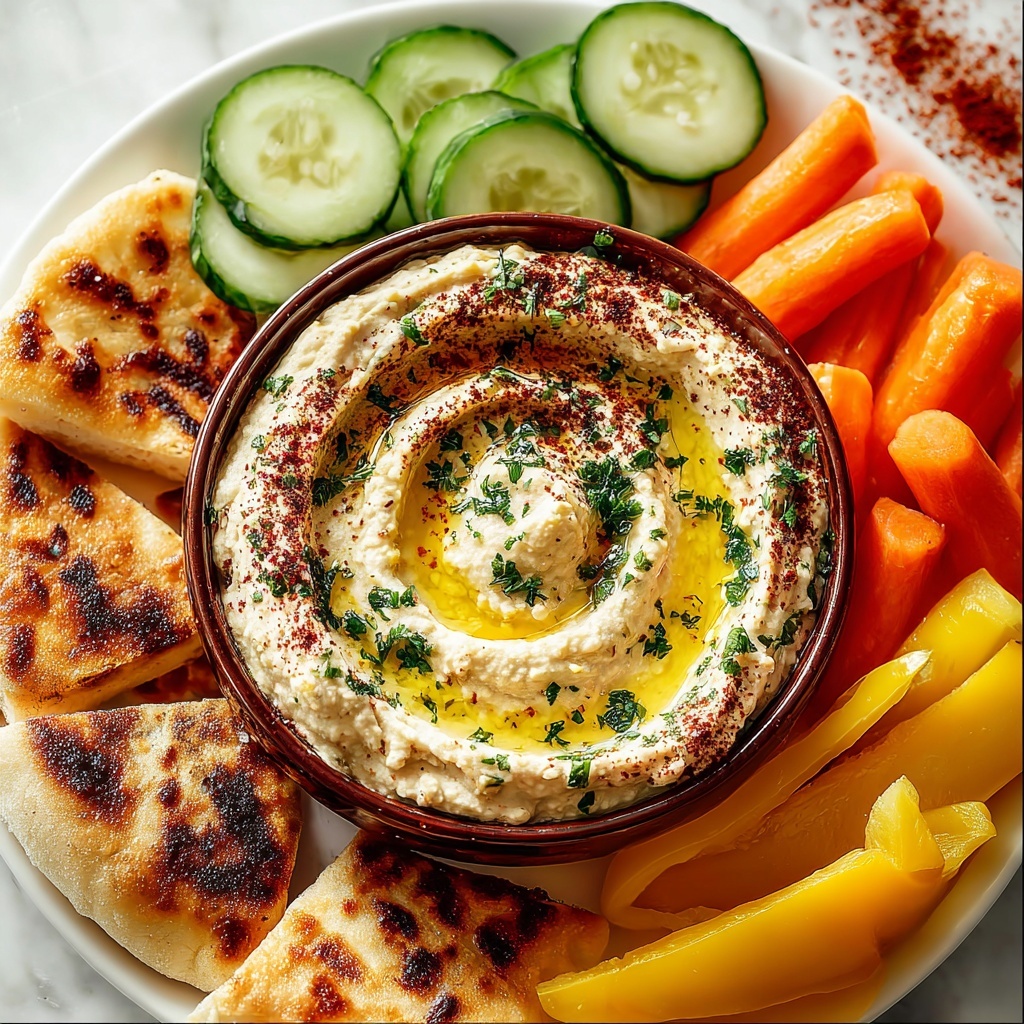
If you’ve ever longed for a dip that’s silky, tangy, and downright irresistible, this Creamy Homemade Hummus with Tahini and Lemon Recipe is your go-to game changer. Bursting with bright lemon juice and rich tahini, every bite delivers that perfect balance of nutty, zesty, and smooth flavors that will make you want to scoop it up with just about everything. Plus, it’s incredibly straightforward to whip up, meaning you can enjoy restaurant-quality hummus right from your kitchen anytime you want. Trust me, once you try this, pre-made just won’t cut it anymore!
Ingredients You’ll Need
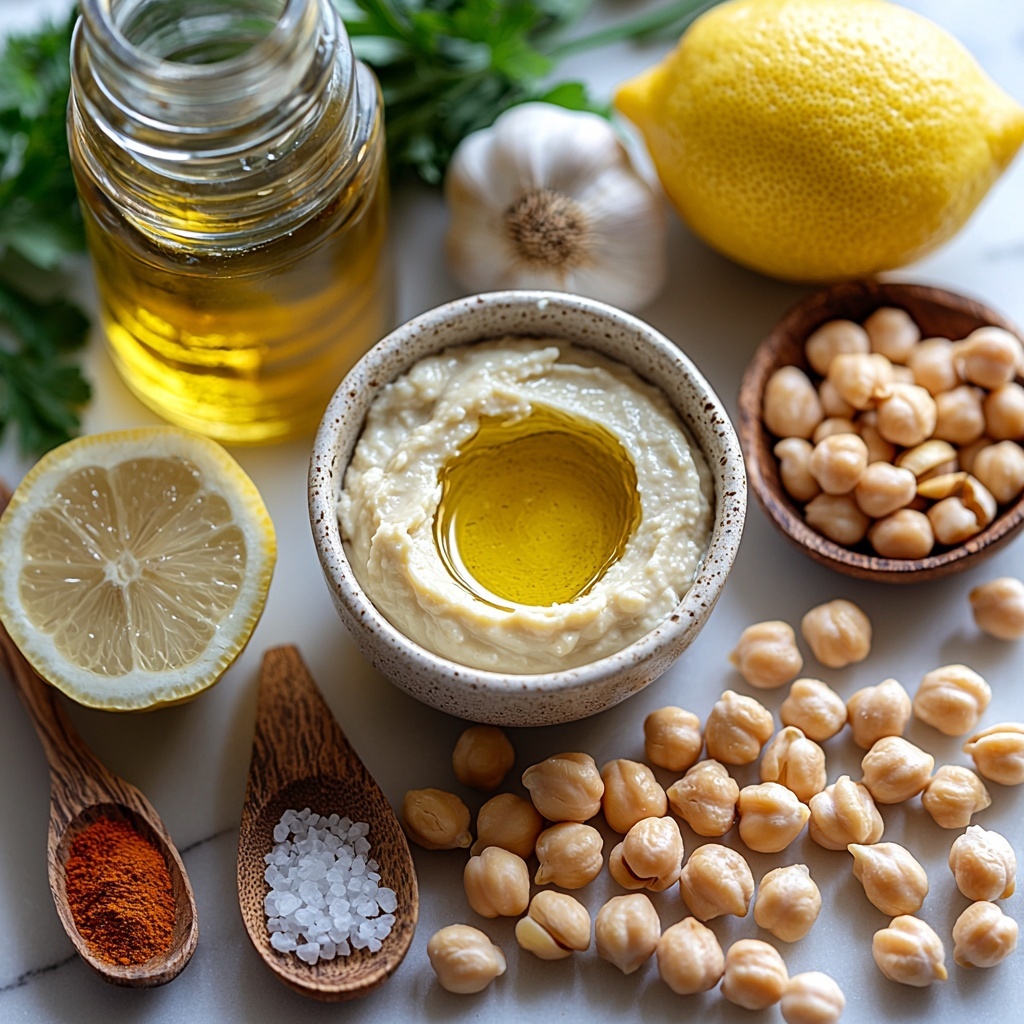
Making this Creamy Homemade Hummus with Tahini and Lemon Recipe is all about simple, wholesome ingredients that come together beautifully. Each one plays a vital role from flavor to texture, ensuring your hummus is creamy, tangy, and perfectly seasoned.
- Good-quality tahini: The nutty sesame paste, essential for that rich, creamy base.
- Cold water: Adds smoothness and helps achieve the perfect consistency.
- Extra virgin olive oil: Brings a luscious mouthfeel and subtle fruitiness.
- Ground cumin: Adds depth with a warm, earthy note.
- Fine sea salt: Enhances all the flavors just right.
- Medium garlic cloves: Fresh and smashed for punchy, aromatic zip.
- Fresh lemon juice: Zesty brightness that lifts the whole dish.
- Canned chickpeas (rinsed and drained): The main star, offering a creamy, hearty base.
- Optional toppings: Extra olive oil drizzle, chopped parsley, sumac, paprika, or toasted pine nuts for added texture and color.
How to Make Creamy Homemade Hummus with Tahini and Lemon Recipe
Step 1: Blend the Base Ingredients
Start by adding tahini, cold water, olive oil, ground cumin, sea salt, smashed garlic, and fresh lemon juice to your food processor. Pulse and blend these ingredients together until the mixture is silky and smooth. This step helps create the dreamily creamy foundation that makes this hummus stand out, with all those flavors melding perfectly before you add in the chickpeas.
Step 2: Puree the Chickpeas
Next, toss in your rinsed and drained chickpeas. Process everything for about 3 to 4 minutes, stopping halfway to scrape down the sides of the bowl with a spatula. This ensures every last bit gets processed evenly, resulting in a smooth and velvety hummus. If the texture feels too thick at this point, add a tablespoon or two of cold water until it reaches that luscious, spreadable consistency you love.
Step 3: Adjust the Seasoning
Give your hummus a careful taste and tweak the seasoning as needed. Sometimes a bit more salt, cumin, or an extra squeeze of lemon juice makes all the difference, brightening up the flavors or deepening the warmth. This is your moment to perfect the balance and customize it to your liking.
Step 4: Serve and Enjoy
Once you’re happy with the taste and texture, it’s time to serve! Transfer your Creamy Homemade Hummus with Tahini and Lemon Recipe to a serving dish and add your favorite toppings for that professional finish. Or, if you’re prepping it for later, simply scoop it into a sealed container and pop it in the fridge.
How to Serve Creamy Homemade Hummus with Tahini and Lemon Recipe
Garnishes
Presentation is everything when it comes to hummus, so don’t be shy with the toppings! A generous drizzle of quality olive oil brings shine and flavor, while fresh chopped parsley adds a pop of green freshness. Sprinkle some ground sumac or paprika for a vibrant color and tangy note. Toasted pine nuts lend a satisfying crunch, making every bite an exciting experience.
Side Dishes
This creamy dip pairs wonderfully with warm pita bread, crisp vegetable sticks, or even hearty grain bowls. It’s also superb alongside Mediterranean dishes like grilled meats, roasted veggies, or a fresh salad. Hummus adds that creamy indulgence that complements so many flavors and textures, turning any meal into a gathering of tastes and colors.
Creative Ways to Present
If you want to get fancy, serve your Creamy Homemade Hummus with Tahini and Lemon Recipe drizzled in a spiral of olive oil with a sprinkle of za’atar spice and edible flower petals. Or spread it in a shallow bowl and create little wells filled with toppings like caramelized onions or roasted red peppers. For a party, serve hummus as part of a mezze platter with olives, cheeses, and flatbreads—your guests will be wowed!
Make Ahead and Storage
Storing Leftovers
Your homemade hummus keeps beautifully in the fridge for up to three days when stored in an airtight container. Make sure to smooth the surface and add a thin drizzle of olive oil before sealing it, which helps prevent drying out and keeps it looking as delicious as when freshly made.
Freezing
Although hummus can be frozen, the texture might become slightly grainy upon thawing. If you want to freeze, store it in a freezer-safe container with as little air as possible. Thaw it overnight in the fridge and stir vigorously to help restore creaminess.
Reheating
Hummus is usually served cold or at room temperature, but if you prefer it slightly warm, gently warm it in a bowl over hot water or briefly in the microwave. Be careful not to overheat, or you might lose that fresh, vibrant lemony punch that makes this recipe so special.
FAQs
What can I use if I don’t have a food processor?
If you don’t have a food processor, you can use a powerful blender or even a hand-held immersion blender. It might take a bit longer to get a silky smooth texture, so be patient and scrape down the sides frequently.
Can I use dried chickpeas instead of canned?
Absolutely! If you choose dried chickpeas, soak them overnight and then cook until tender before proceeding. This can add a wonderful fresh flavor but requires more prep time.
How can I make this hummus spicier?
Adding a pinch of cayenne pepper or some chopped fresh chili to the food processor will give your hummus a nice kick. Alternatively, serve with harissa or hot sauce toppings to customize heat levels at the table.
Is tahini necessary?
Tahini is key to achieving the authentic nutty and creamy flavor in hummus. While you can make a version without it, the texture and depth won’t be quite the same. If you must substitute, try smooth almond or peanut butter, but results will vary.
How do I get my hummus extra creamy?
The secret to extra creamy hummus is a combination of peeling your chickpeas (optional but worth it), adding just enough cold water, and blending for several minutes. Using quality tahini and fresh lemon juice also makes a big difference.
Final Thoughts
There’s nothing quite like pulling together this Creamy Homemade Hummus with Tahini and Lemon Recipe when you need a reliable, delicious dip that everyone will love. It’s simple, fresh, and endlessly versatile—perfect for everything from a quick snack to an impressive appetizer. Give it a try, and I promise it’ll become a beloved staple in your kitchen!
Print
Creamy Homemade Hummus with Tahini and Lemon Recipe
- Prep Time: 10 minutes
- Cook Time: 0 minutes
- Total Time: 10 minutes
- Yield: 6 to 8 servings
- Category: Dip
- Method: Blending
- Cuisine: Middle Eastern
- Diet: Vegan
Description
This classic hummus recipe is a creamy and flavorful Middle Eastern spread made from chickpeas, tahini, lemon juice, garlic, and olive oil. Perfect as a dip, snack, or accompaniment to many dishes, it’s smooth, tangy, and easy to customize with your favorite toppings.
Ingredients
Main Ingredients
- 1/3 cup good-quality tahini
- 2–4 tablespoons cold water, or more if needed
- 2 tablespoons extra virgin olive oil
- 1/2 teaspoon ground cumin
- 3/4 teaspoon fine sea salt
- 2 medium cloves garlic, peeled and smashed
- juice of 1 lemon (2–3 tablespoons)
- 1 (15 ounce) can chickpeas, rinsed and drained
Optional Toppings
- Extra drizzle of olive oil
- Chopped fresh parsley
- Sprinkle of ground sumac or paprika
- Toasted pine nuts
Instructions
- Prepare the base: Add tahini, cold water, olive oil, cumin, salt, garlic, and lemon juice to a food processor. Puree the mixture until smooth, forming the creamy base of the hummus.
- Add chickpeas and blend: Incorporate the rinsed and drained chickpeas into the food processor. Puree for 3-4 minutes, pausing halfway to scrape down the sides, until the mixture is completely smooth. If the hummus is too thick, gradually add an extra tablespoon or two of water to reach the desired consistency.
- Season to taste: Taste the hummus and adjust seasoning as needed by adding more salt, cumin, or lemon juice to balance the flavors perfectly.
- Serve or store: Serve the hummus immediately, garnished with your choice of optional toppings such as olive oil, fresh parsley, sumac, paprika, or toasted pine nuts. Alternatively, transfer it to a sealed container and refrigerate for up to 3 days for best freshness.
Notes
- Using good-quality tahini greatly improves the smoothness and flavor of the hummus.
- If you prefer a thinner consistency, add water gradually until the desired texture is achieved.
- Adjust garlic amount according to your preference for pungency.
- The hummus can be stored in an airtight container in the refrigerator for up to 3 days.
- For a nuttier flavor, toast the pine nuts before garnishing.
- Ground sumac adds a tangy and slightly fruity flavor as a topping.