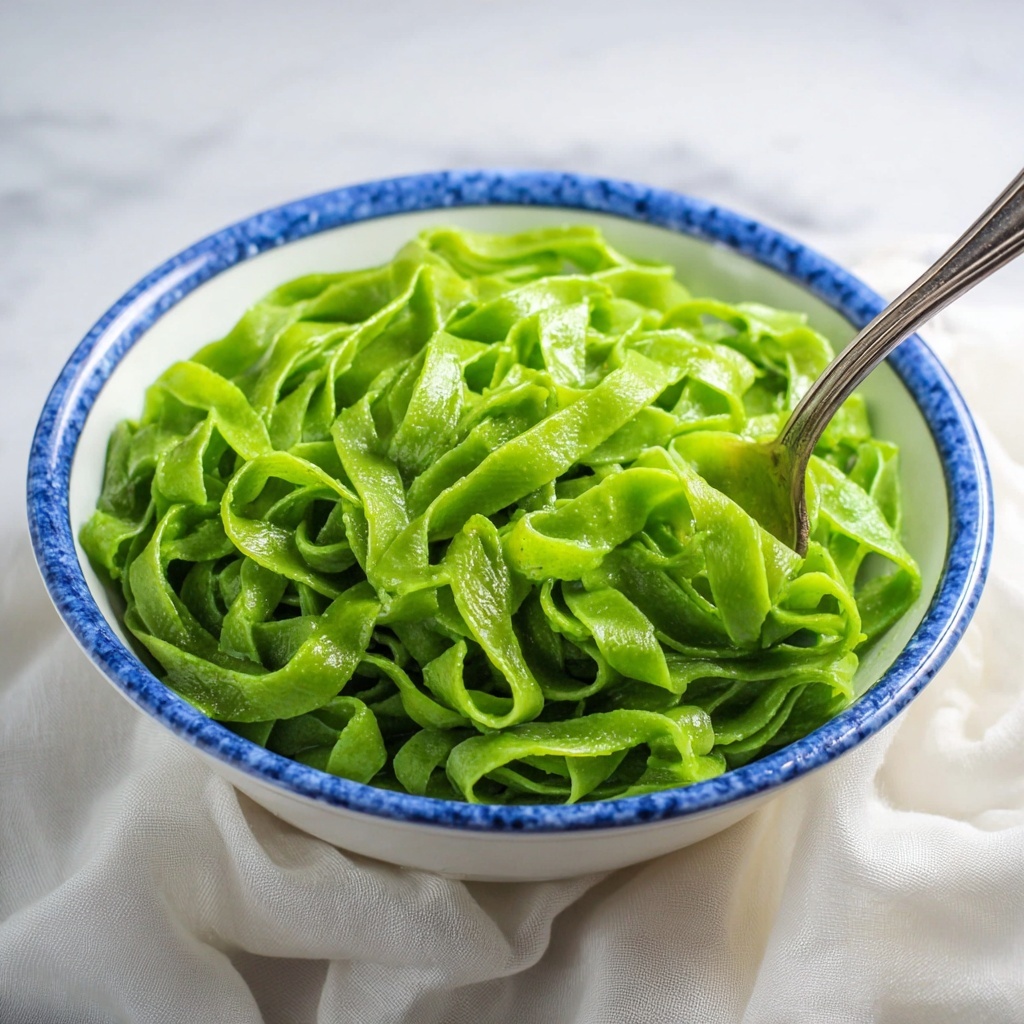
There is something truly magical about homemade pasta, and this Fresh Spinach Pasta Recipe brings that magic right into your kitchen with vibrant color and a subtle earthy flavor. Infused with tender baby spinach and made from scratch using simple ingredients, this pasta is as delightful to make as it is to eat. Its fresh green hue and supple texture make it a standout base for countless sauces and toppings, adding both nutrition and a burst of freshness to your meals. Once you try this recipe, you’ll wonder why you ever bought dry pasta from the store.
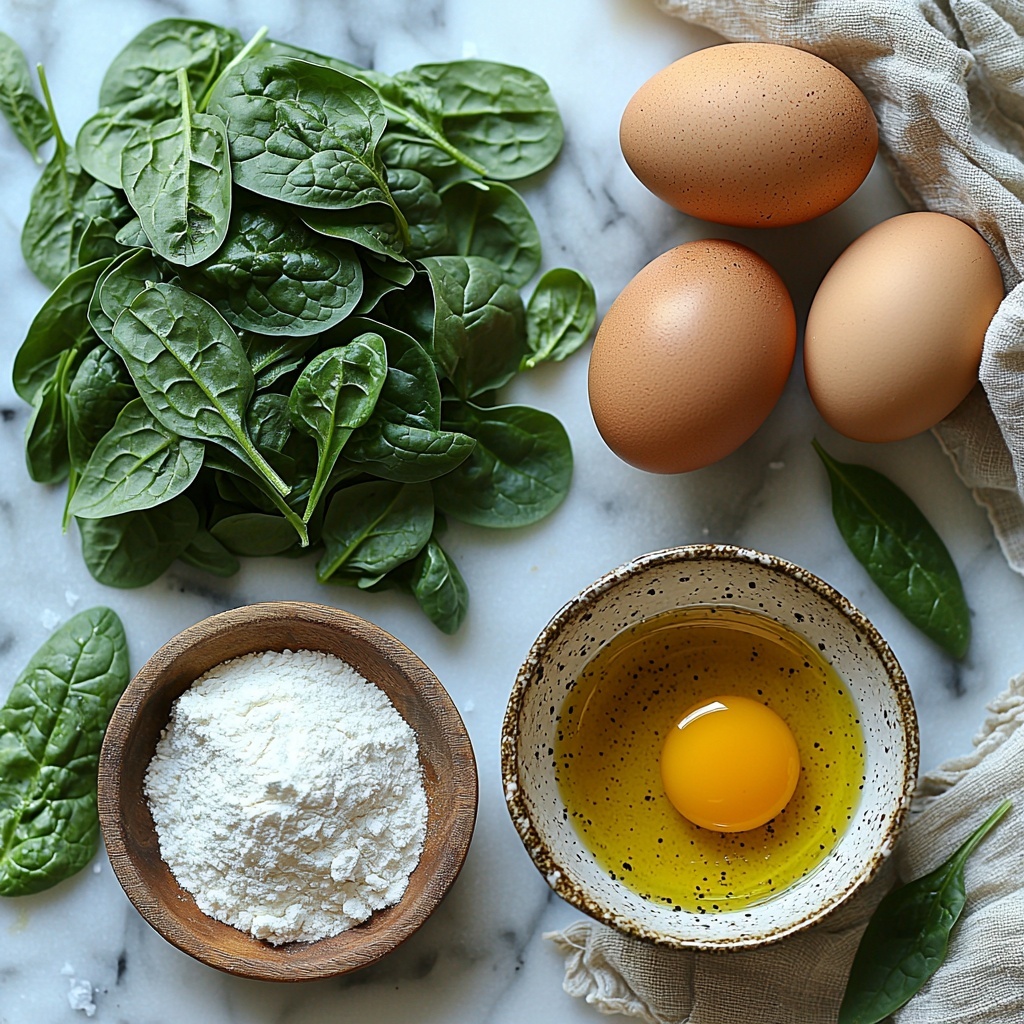
Ingredients You’ll Need
These ingredients are refreshingly simple yet crucial for making this Fresh Spinach Pasta Recipe shine. Each one plays a unique role, from binding the dough to giving it taste, texture, and that beautiful green color that makes this pasta irresistible.
- 8 oz baby spinach: Using fresh baby spinach ensures a mild flavor and soft texture, but larger leaves work well too if prepared properly.
- 2 large eggs: Eggs bring richness and help bind the dough for a tender pasta.
- 1 egg yolk: Adds extra moisture and vibrancy to the dough.
- 1 tsp salt: Balances the flavors and enhances the natural taste of the spinach and eggs.
- 1 tbsp olive oil: Keeps the dough smooth and workable, contributing a subtle fruity note.
- 1 3/4 cups all-purpose flour: The main structure provider, and you can mix in some semolina flour for a bit more bite and texture.
How to Make Fresh Spinach Pasta Recipe
Step 1: Prepare the Spinach
Start by softening your spinach, which is key to blending it smoothly into the dough without any tough bits. For baby spinach, cover the leaves with boiling water and let them sit for a minute. If you’re using larger leaves, boil them for 2-4 minutes until tender. Then, drain thoroughly—it’s important to remove excess water so your pasta dough isn’t too wet.
Step 2: Squeeze and Chop the Spinach
Once cooled, squeeze out every last drop of moisture from the spinach—this step cannot be skipped! Chop it roughly and then give it another squeeze. Place the spinach in a food processor with eggs, egg yolk, and salt. Pulse until everything is finely combined. This mixture forms the flavorful foundation of your dough.
Step 3: Add the Flour and Oil
Add the flour bit by bit to the spinach mixture, pulsing a few times after each addition to integrate. Drizzle in the olive oil midway. Keep pulsing until the dough starts to cling together and pulls away from the sides forming a rough ball—this is the moment you know you’re on the right track.
Step 4: Knead the Dough
Turn the dough onto a floured surface and knead with floured hands for about 5 minutes. The dough should be soft and pliable, not sticky. If it feels too wet, sprinkle on a bit more flour as you knead to get the perfect consistency.
Step 5: Let It Rest
Wrap your dough tightly in plastic wrap and allow it to rest at room temperature for about 30 minutes. This relaxes the gluten, making the dough easier to roll out. You can also refrigerate it for up to two days, just remember to bring it back to room temperature before rolling.
Step 6: Divide and Prepare Your Workstation
Cut your rested dough into 4 to 6 pieces to manage rolling more easily. Cover the pieces you aren’t working with a damp cloth to keep them from drying out. Dust your trays generously with flour or semolina to prevent sticking when the pasta is cut.
Step 7: Roll Out the Dough
Flatten each piece slightly and dust it with flour before passing it through your pasta machine on the widest setting multiple times. Gradually reduce the thickness setting, rolling at each step twice—once from each end—until you reach the desired thinness, typically around setting ‘4’ or ‘5’ on most machines.
Step 8: Cut and Arrange the Pasta
Use a cutter attachment for linguine or fettuccine shapes or hand-cut if you prefer a rustic look. Lay the pasta ribbons on your floured trays in small stacks or laid flat. If you’re not cooking immediately, covering them with a cloth will keep them fresh and prevent drying.
Step 9: Cook the Pasta
Bring a large pot of salted water to a rolling boil. Add the pasta in handfuls, gently separating the strands as they enter the water. Cook for 2 to 3 minutes until the pasta rises to the surface, indicating it’s perfectly al dente and ready to enjoy.
Step 10: Serve with Your Favorite Sauce
Your freshly made spinach pasta pairs wonderfully with everything from classic tomato sauce to buttery sage or a simple garlic and olive oil drizzle. The vibrant green noodles give a fresh twist to any sauce, making every bite feel special.
How to Serve Fresh Spinach Pasta Recipe
Garnishes
Fresh herbs like basil or parsley complement the spinach’s flavor and add a burst of green freshness on top. A sprinkle of grated Parmesan or Pecorino cheese brings savory depth, while a crack of black pepper or a drizzle of infused olive oil takes the dish over the top.
Side Dishes
Serve your spinach pasta alongside crisp salads or roasted vegetables for a balanced, colorful meal. Garlic bread or focaccia also pairs beautifully, adding a crunchy, buttery contrast to the tender noodles.
Creative Ways to Present
Try tossing the pasta with a vibrant pesto or a light lemon cream sauce to highlight its fresh flavors. You can also layer the spinach pasta sheets in a lasagna with ricotta and mozzarella for an impressive centerpiece that looks as stunning as it tastes.
Make Ahead and Storage
Storing Leftovers
Store any leftover cooked pasta in an airtight container in the refrigerator for up to 2 days. Toss with a little olive oil before storing to prevent clumping, and reheat gently to preserve texture.
Freezing
You can freeze fresh spinach pasta before cooking by laying the cut pasta on a tray lined with parchment and freezing until solid. Transfer to freezer bags and store for up to a month. Cook straight from frozen, adding a minute or two to the boiling time.
Reheating
The best way to reheat fresh spinach pasta is by briefly immersing it in boiling water just long enough to warm through or tossing it in a hot pan with sauce. Microwaving can make it rubbery, so avoid that if possible.
FAQs
Can I use frozen spinach for this Fresh Spinach Pasta Recipe?
It’s best to use fresh spinach because frozen spinach contains more moisture and can affect the dough’s consistency. If you must use frozen, thaw and squeeze out all excess water very thoroughly before incorporating.
Is it necessary to use a food processor?
While a food processor makes the mixing quicker and finer, you can also finely chop the spinach by hand and whisk together eggs and salt before mixing in the flour. It takes more time but works well too.
How can I make this pasta recipe vegan?
This recipe relies on eggs for binding, so to make it vegan, substitute eggs with aquafaba or flax “eggs” and add a little extra olive oil. The texture will vary slightly but can still be delicious with some experimentation.
What if I don’t have a pasta machine?
You can roll the dough out on a floured surface using a rolling pin, aiming for as thin as possible, then cut by hand with a sharp knife. It requires patience but gives a charming handmade look to the pasta!
How long does homemade spinach pasta last after cooking?
Cooked fresh spinach pasta is best enjoyed within 1-2 days for optimal texture and flavor. Be sure to store it properly in the refrigerator, and add a touch of oil to prevent sticking.
Final Thoughts
This Fresh Spinach Pasta Recipe is such a joyful project to make, filled with vibrant flavor and the satisfaction of crafting something from scratch. The radiant green pasta impresses every time, turning even the simplest sauce into a special meal. I encourage you to try it soon—it’s a wonderful way to bring a fresh, homemade touch to your table and share a bit of pasta love with friends and family.
Print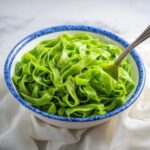
Fresh Spinach Pasta Recipe
- Prep Time: 45 minutes
- Cook Time: 10 minutes
- Total Time: 55 minutes
- Yield: 3-4 servings
- Category: Main Course
- Method: Stovetop
- Cuisine: Italian
- Diet: Vegetarian
Description
A vibrant and fresh homemade spinach pasta recipe that combines tender baby spinach with eggs and flour to create a soft, flavorful dough. Perfectly rolled and cut, this spinach pasta cooks quickly and pairs wonderfully with your favorite sauces for a delightful Italian meal.
Ingredients
Vegetables and Greens
- 8 oz baby spinach (weight without stems; can substitute with larger leaf spinach)
Wet Ingredients
- 2 large eggs
- 1 egg yolk
- 1 tbsp olive oil
Dry Ingredients
- 1 3/4 cups all-purpose flour (or substitute roughly 1/3 semolina flour)
- 1 tsp salt
Instructions
- Prepare the Spinach: If using baby spinach, place it in a large bowl and pour boiling water over it until fully submerged. Let it sit for a minute, then drain and allow it to cool while draining further. For larger leaf spinach, boil in water for 2-4 minutes until wilted and soft, then drain well.
- Drain and Chop Spinach: Once cool, squeeze the spinach thoroughly to remove moisture, roughly chop it, and squeeze again to ensure it’s as dry as possible. Place spinach in a food processor with eggs, egg yolk, and salt; pulse until finely chopped and well combined, scraping down as needed.
- Add Flour and Olive Oil: Gradually add the flour, about 1/2 cup at a time, pulsing three to four times after each addition. Halfway through, add the olive oil. Continue pulsing until the dough starts to come together into a ball, pulling away from the sides.
- Knead the Dough: Transfer the dough onto a floured surface and knead with floured hands for about 5 minutes until soft and not sticky. If the dough feels sticky, sprinkle in a little more flour as needed while kneading.
- Rest the Dough: Wrap the dough in plastic wrap and let it rest at room temperature for around 30 minutes. You can refrigerate it for up to two days, but be sure to bring it back to room temperature for half an hour before rolling.
- Divide and Prepare Dough: Cut the dough into 4-6 pieces and cover unused pieces with a damp cloth to prevent drying. Prepare trays dusted with flour or semolina to place the rolled pasta on.
- Roll the Dough: Flatten one piece slightly, dust with flour, and feed it through a pasta roller on the widest setting 3-5 times until smooth, dusting with flour if sticky. Gradually narrow the thickness by rolling twice per setting until reaching desired thickness (typically setting 4 or 5).
- Cut the Pasta: Use the roller’s cutter or hand cut to form linguine or fettuccine ribbons. Arrange the pasta ribbons in small stacks or spread flat on prepared trays. Cover with a cloth if not cooking immediately.
- Cook the Pasta: Boil water and cook handfuls of pasta for 2-3 minutes until they rise to the surface and are tender. Stir gently to separate strands.
- Serve: Drain and serve immediately with your favorite sauce for a delicious fresh spinach pasta dish.
Notes
- For larger leaf spinach, blanch in boiling water for 2-4 minutes to wilt before processing.
- Removing excess moisture from spinach is critical to avoid a soggy dough.
- Flour amounts can be adjusted slightly depending on dough consistency.
- Resting the dough improves texture and makes rolling easier.
- Dust with semolina flour for better rolling and drying experience, but all-purpose flour works well too.
- Refrigerated dough should be brought to room temperature before rolling for best results.